
European aviation pioneers compete to claim the prize
 Substance
 Modo
Shosho B.V.
Modo
Shosho B.V.
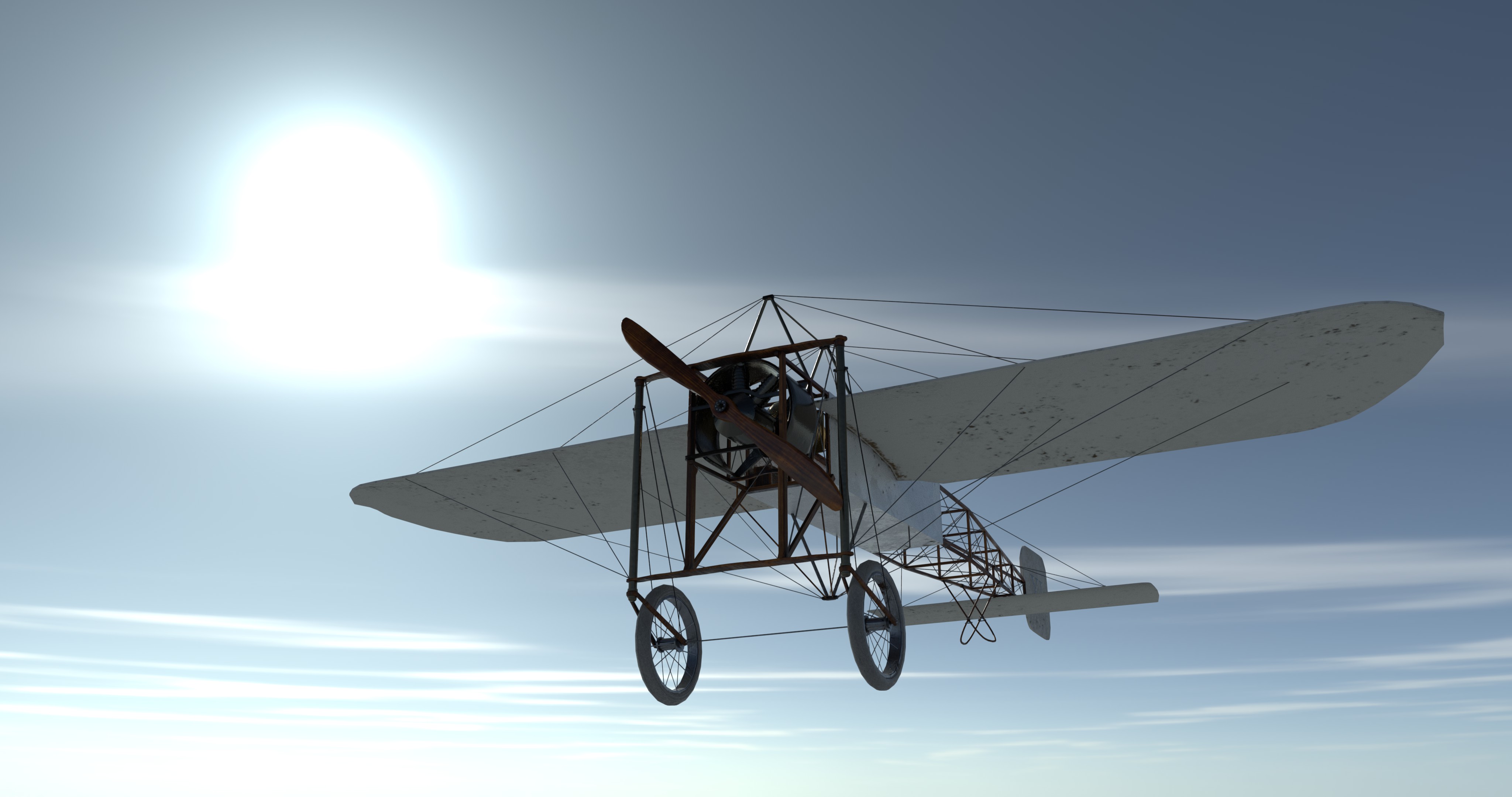
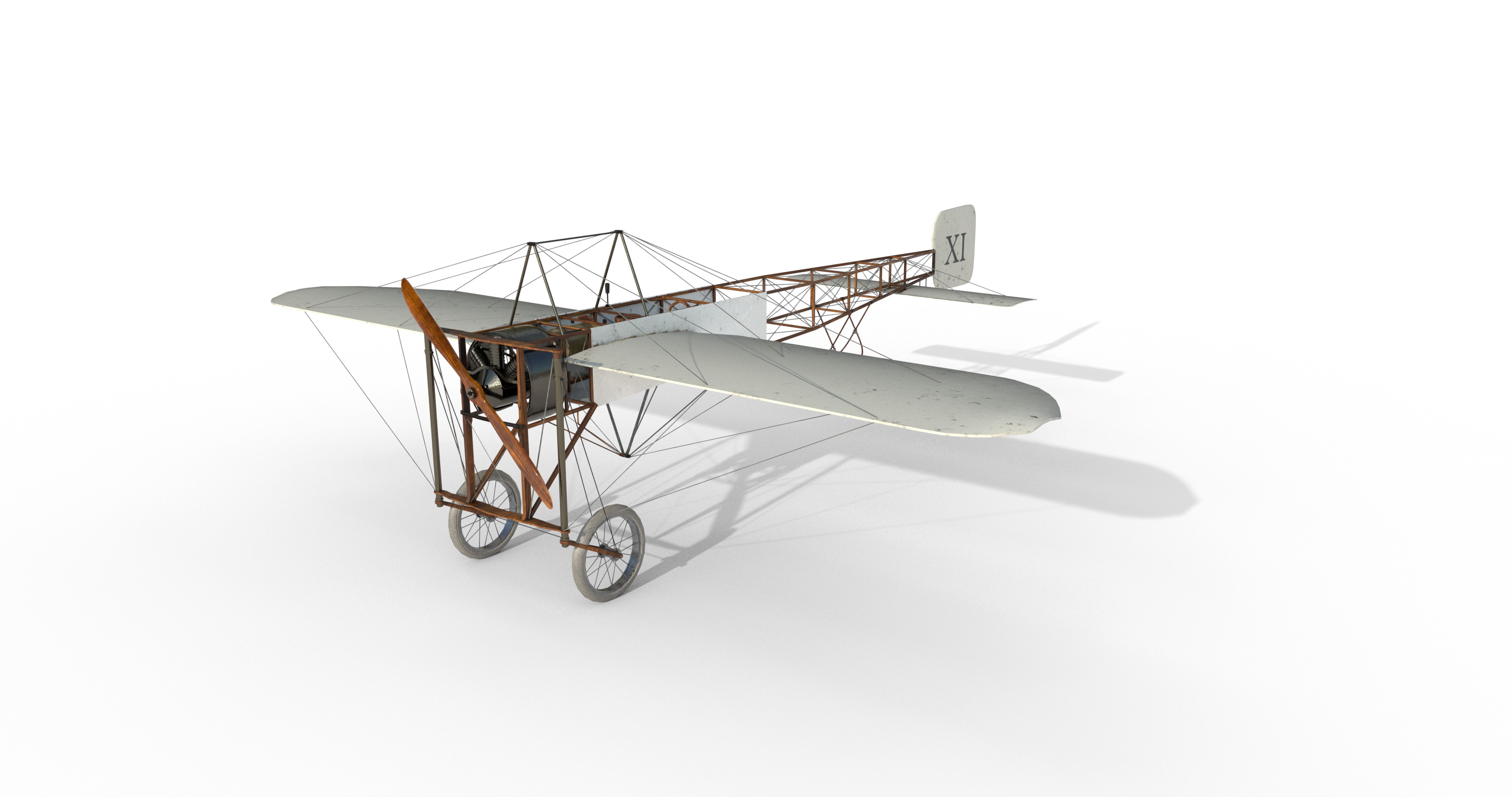
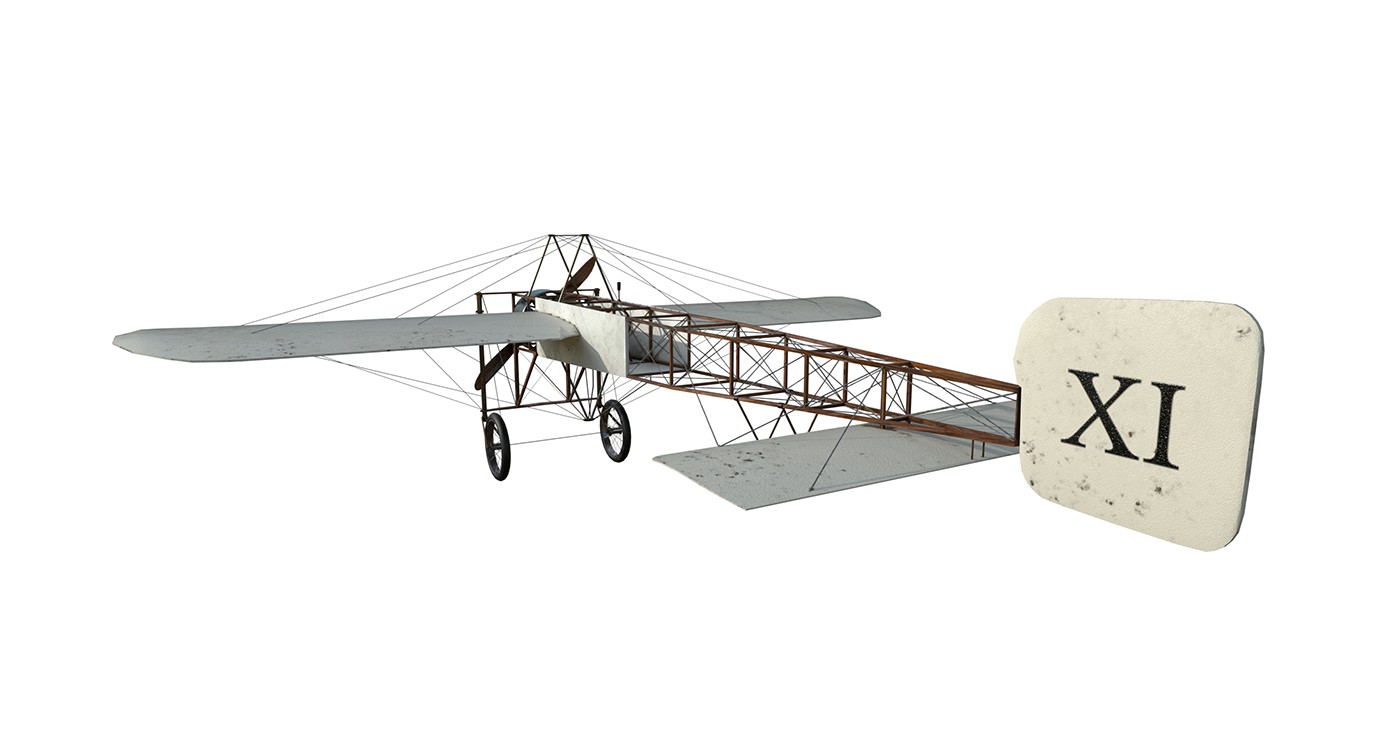
The Blériot XI is a French aircraft from the pioneer era of aviation. The first example was used by Louis Blériot to make the first flight across the English Channel in a heavier-than-air aircraft, on 25 July 1909.
This is one of the most famous accomplishments of the pioneer era of aviation, and not only won Blériot a lasting place in history but also assured the future of his aircraft manufacturing business.
The Brik is a relatively unknown in compared to its counterparts, but was present in the competition.
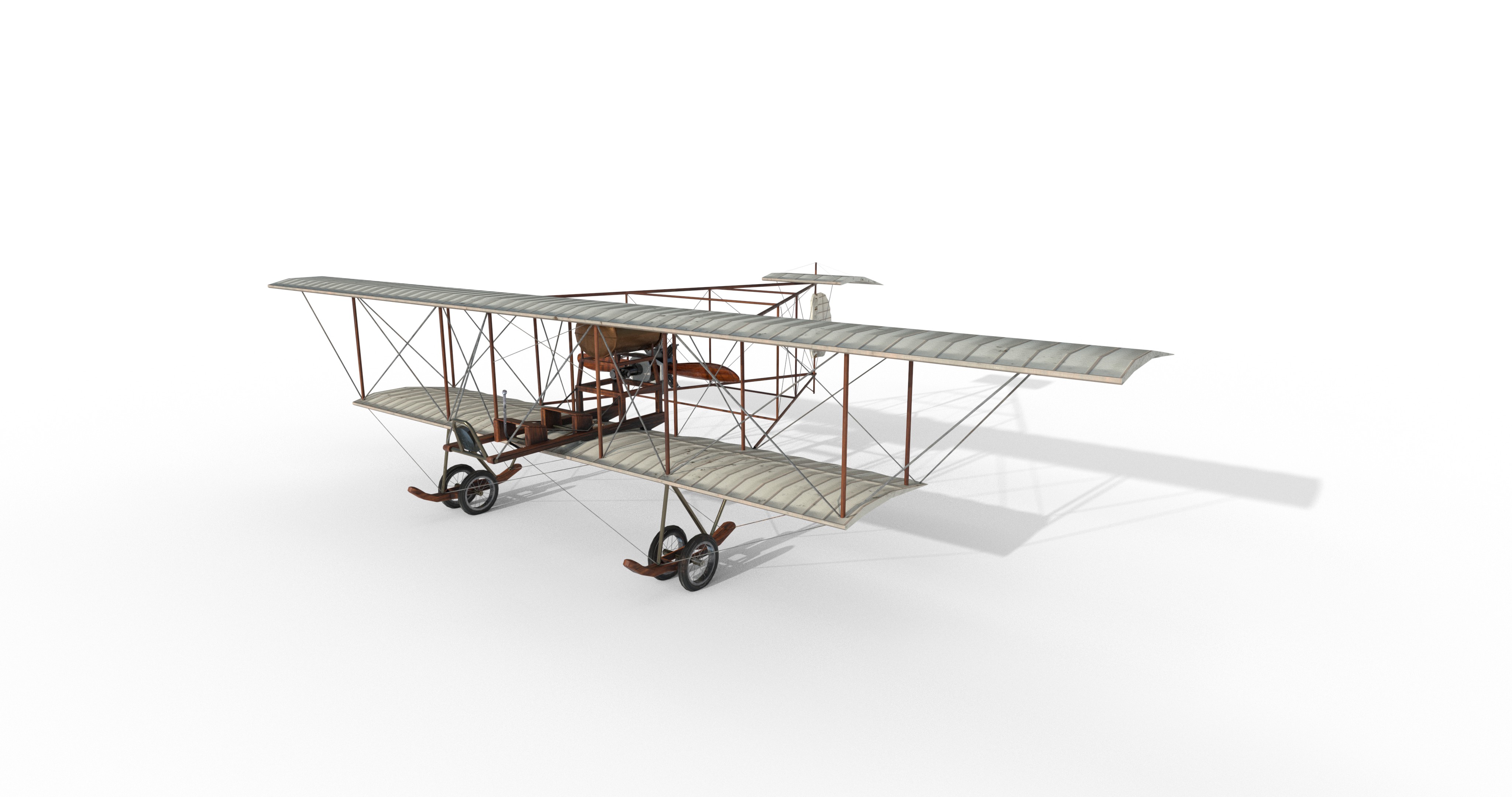
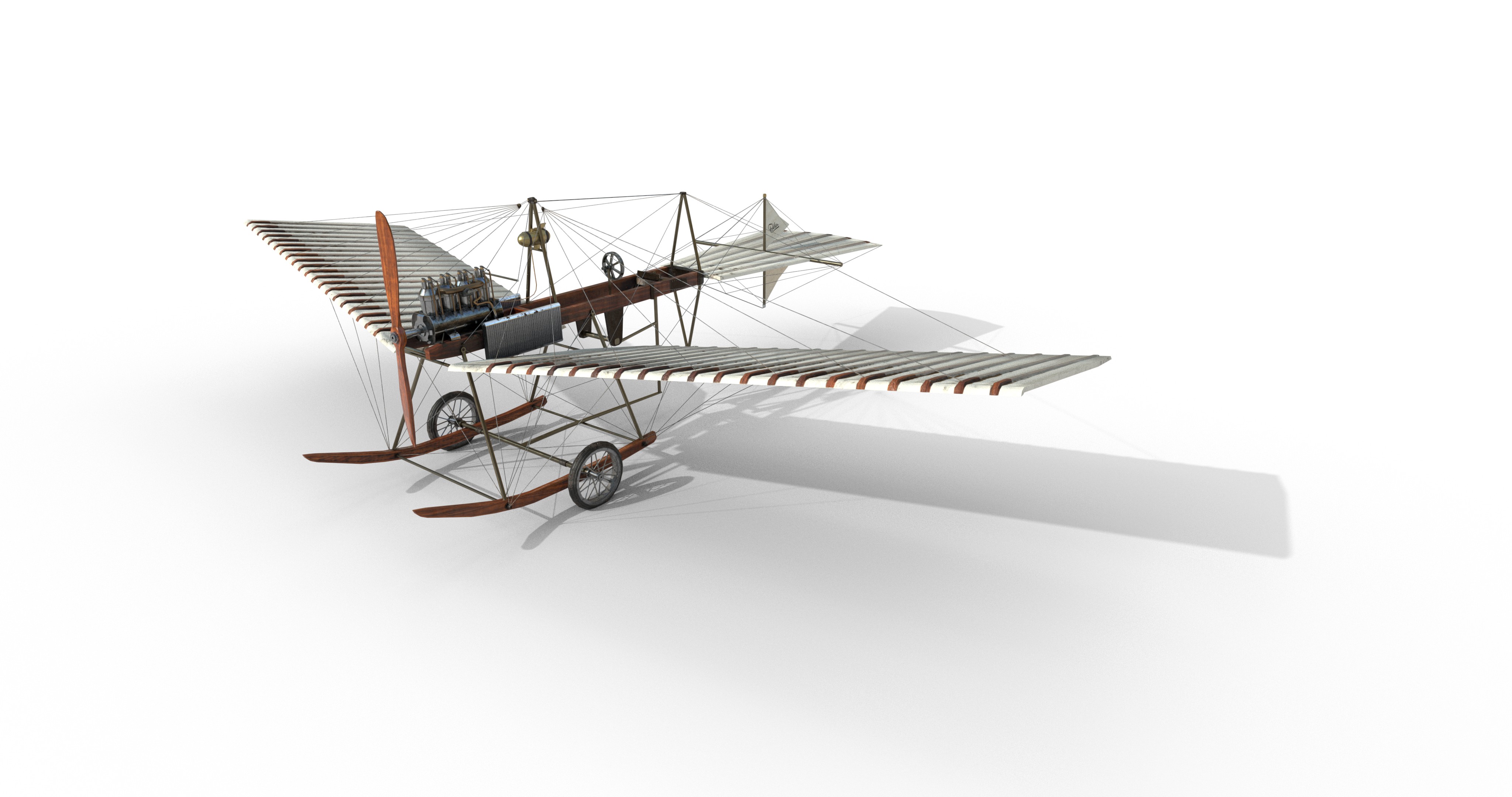
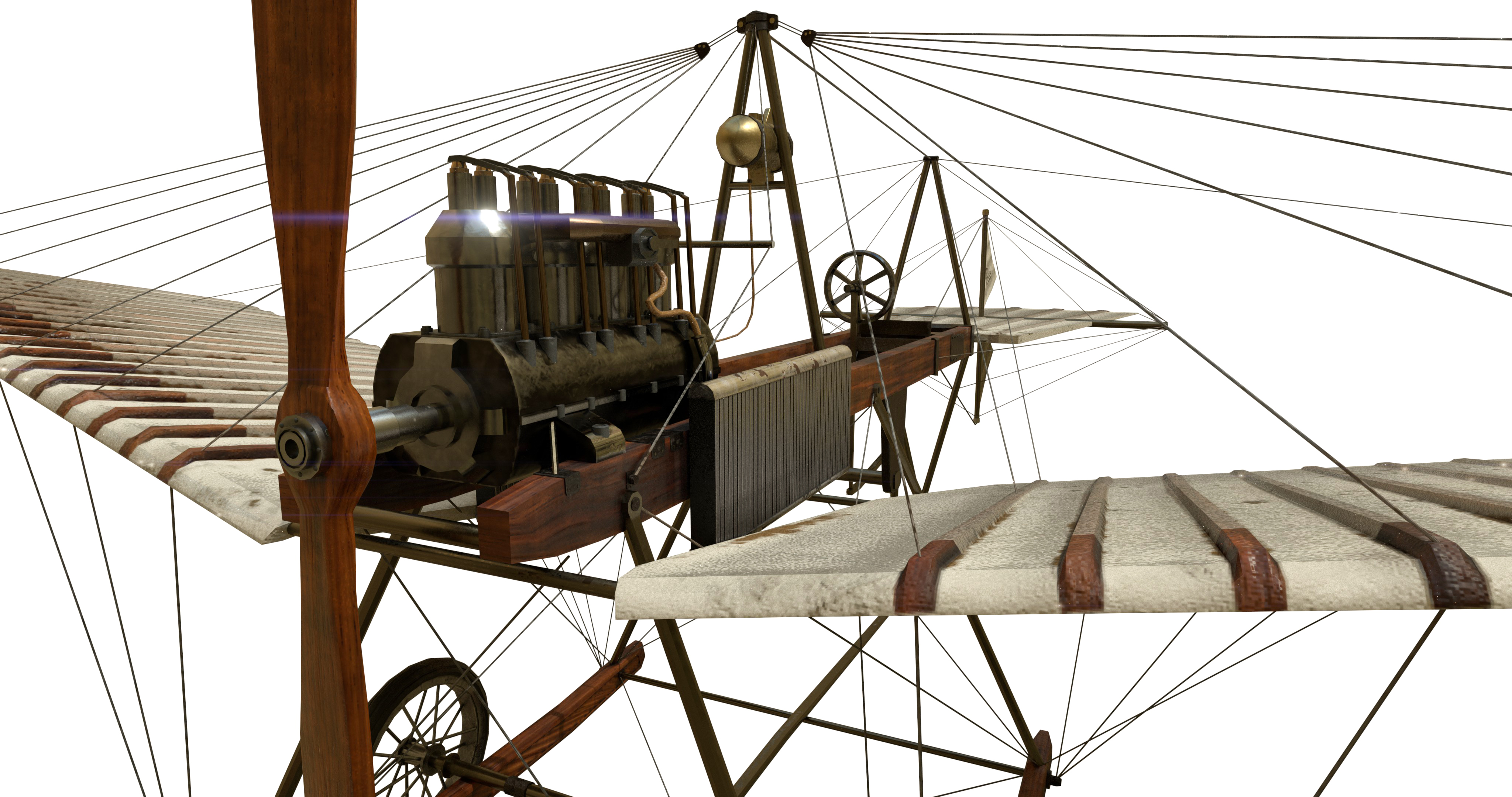
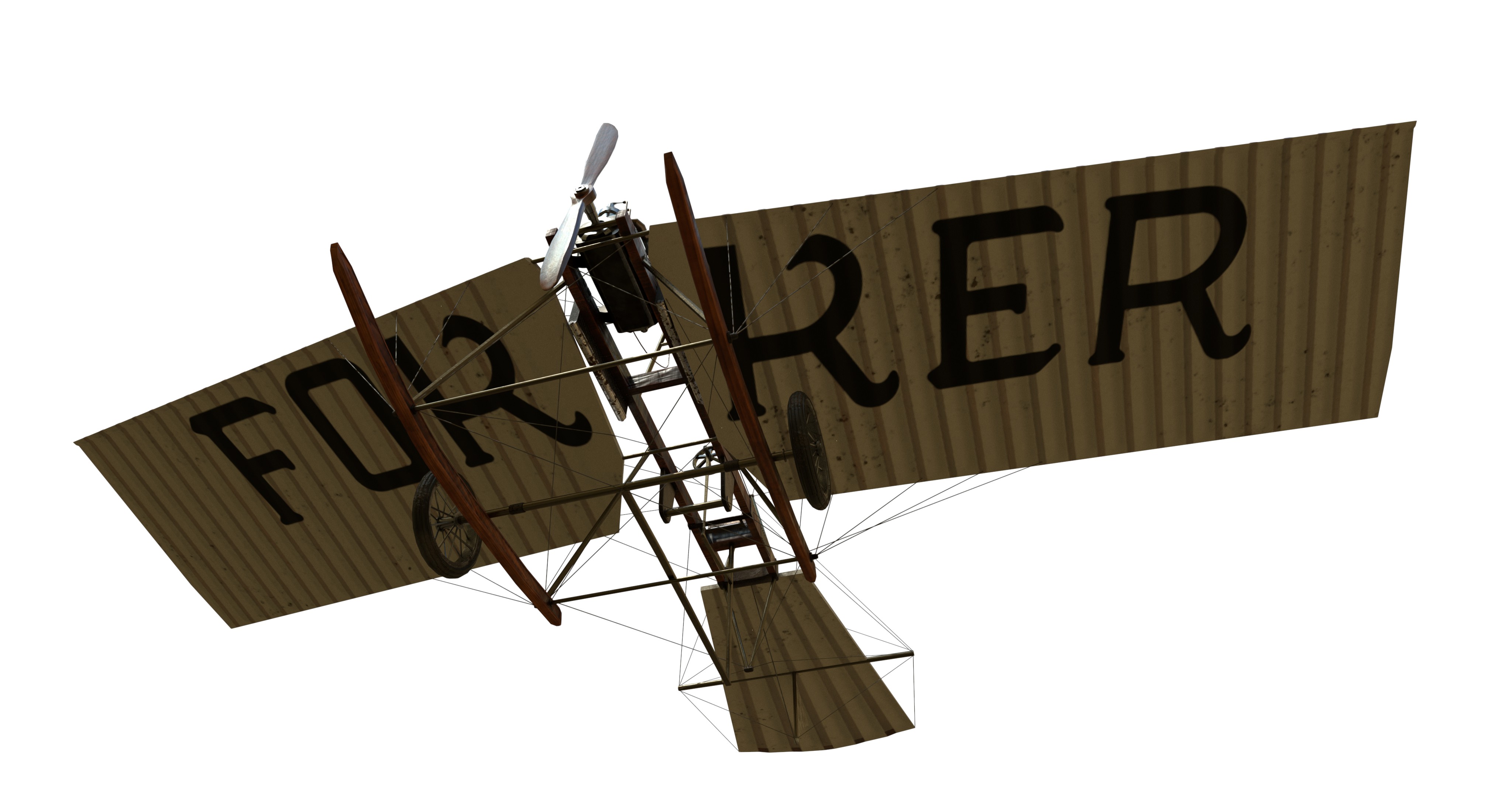
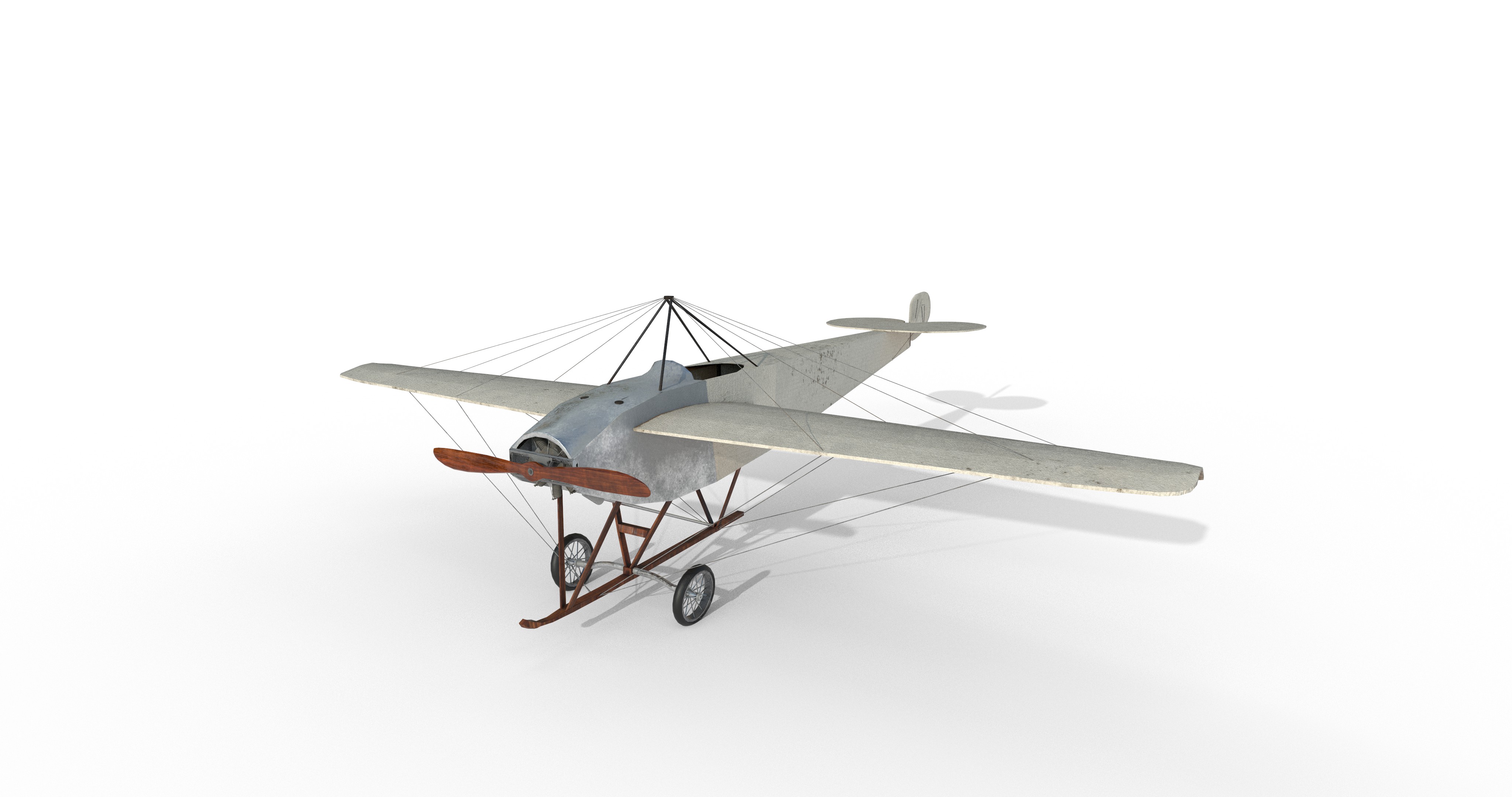
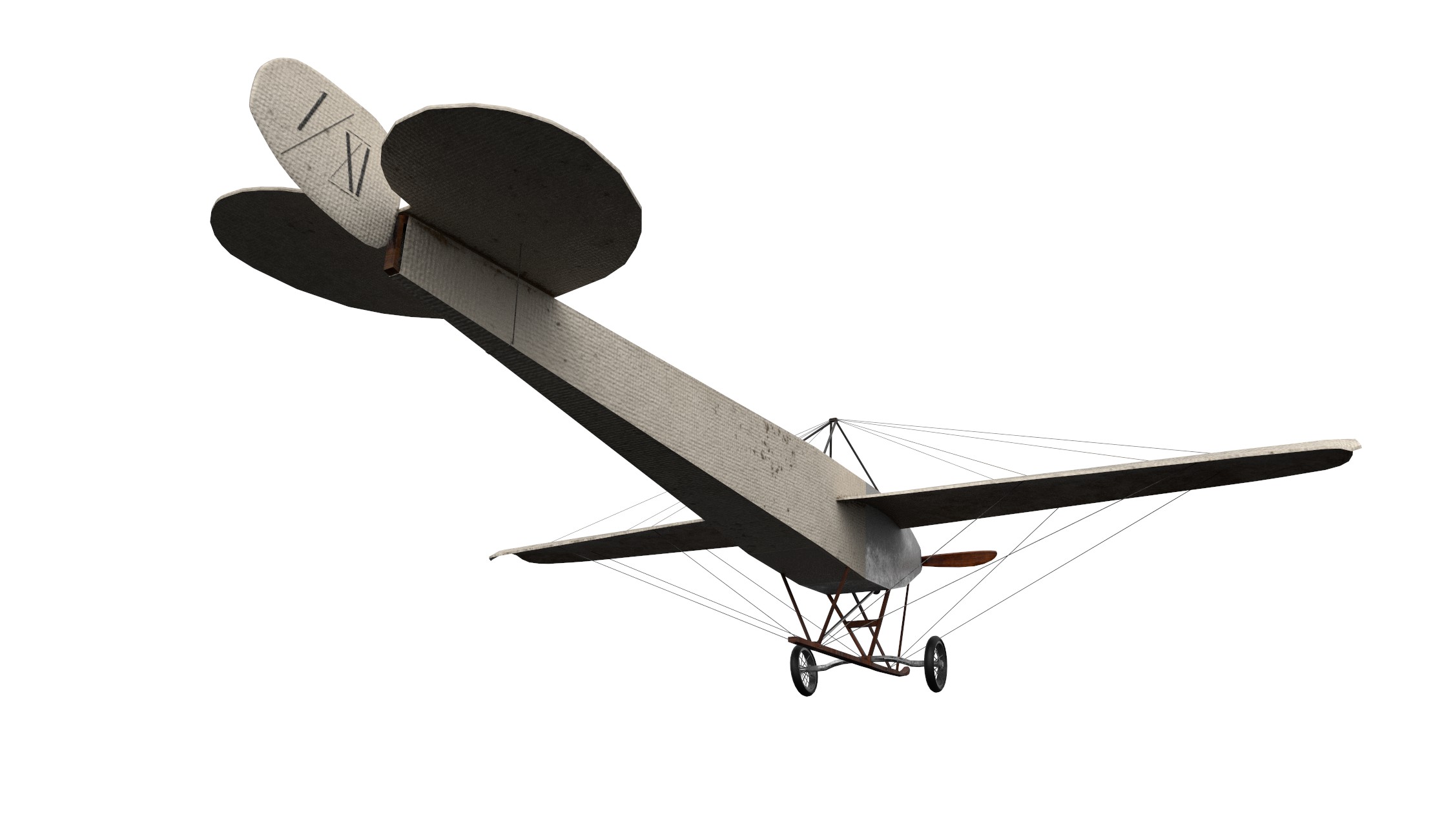
The Fokker Spin was the first airplane built by Dutch aviation pioneer Anthony Fokker.
The many bracing wires used to strengthen the aircraft made it resemble a giant spider, hence its name Spin, Dutch for "spider".
Charles Weymann, flying a Nieuport, came in third.
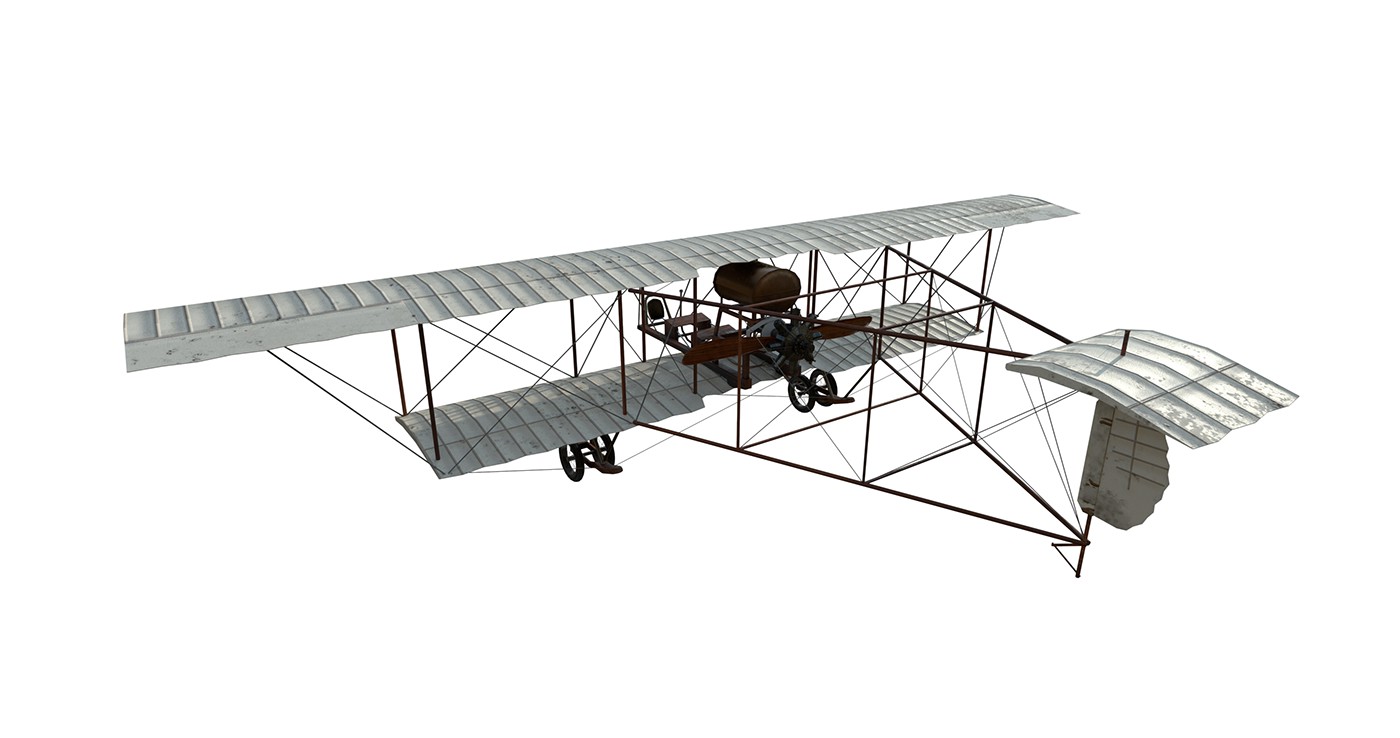
The Voisin-Farman I was also the first biplane in Europe to fly a circular circuit of 1 kilometre, over a predetermined course, on 13 January 1908.
This again occurred at Issy-les-Moulineaux, France, and won Farman the 50,000 franc Grand Prix d'Aviation offered by Henri Deutsch de la Meurthe.